I read these two all the time. I wish nytimes.com came in a text version, I hate the move to video. I was raised on newspapers not mtv...
 Readit News
noefingway commented on A small collection of text-only websites shkspr.mobi/blog/2025/12/... · Posted by u/danielfalbo
noefingway commented on Making tiny 0.1cc two stroke engine from scratch youtu.be/nKVq9u52A-c?si=K... · Posted by u/pillars
Last century I was gifted a gas powered model helicopter with one of these small gas engines. It had a propeller would fly up, run out of gas and fall back down (it had some larger blades to slow its decent).
You started by spinning the propeller and letting it spring back.
How I didn’t loose a finger…
They’re remarkable little devices.
Brings back memories from childhood. I used to build and fly model airplanes (by wire not rc). Starting those engines was also a challenge. I still have a scar on one finger from an engine kicking back when trying to flip the propeller.
noefingway commented on How Charles M Schulz created Charlie Brown and Snoopy (2024) bbc.com/culture/article/2... · Posted by u/1659447091
As someone born in 1956, I and everyone I knew were great enjoyers of Peanuts, and I still appreciate those strips when I see them.
There's a combination of solace in the face of cruelty, humor, gentleness and truthfulness there that unique. Certainly, when I was older, I came to also love Watterson's and Larson's work. They have an edge that Shulz's work didn't. But his work had something theirs didn't.
I can understand how it could be hard for people who didn't grow up with Peanuts make their way into it. For people used to an edginess that Peanuts doesn't have, it looks merely cute. But it really isn't. There is a depth to the feelings Schulz portrayed.
Perhaps to really enjoy Peanuts, one had to have experienced the new strips coming out each day, which added a depth of knowledge about the relationships between the characters which was an essential background that is just not there when one sees a couple of strips now.
Watterson wrote:
> “The wonder of ‘Peanuts’ is that it worked on so many levels simultaneously.… Children could enjoy the silly drawings … while adults could see the bleak undercurrent of cruelty, loneliness and failure, or the perpetual theme of unrequited love, or the strip’s stark visual beauty.
(Regarding that last, Peanuts was displayed at the Louvre....)
Here, here! I was born in 1951 - read Peanuts everyday as a kid, still read Peanuts everyday as an adult. It has great humor and insight into relationships.
noefingway commented on The mysterious black fungus from Chernobyl that may eat radiation bbc.com/future/article/20... · Posted by u/bookmtn
A variation on the Gray Goo scenario.
noefingway commented on Downloadable movie posters from the 40s, 50s, 60s, and 70s hrc.contentdm.oclc.org/di... · Posted by u/bookofjoe
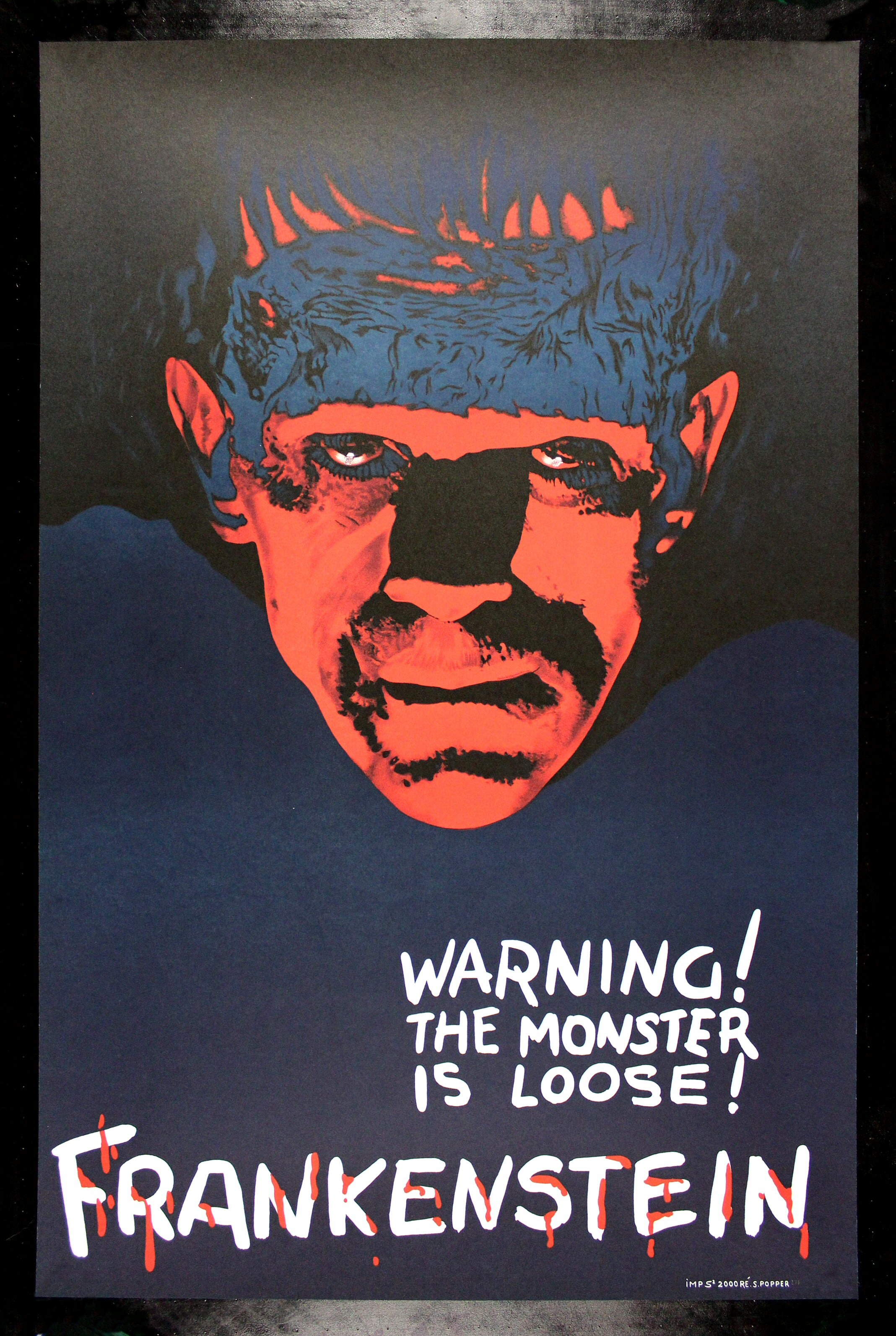
Very cool stuff. Brings back a lot of memories from my youth spent in movie theaters on Saturday afternoons watching the sci-fi/horror double features. I have several posters printed by the S2 Art Group (they used to have their lithograph machine in the Paris hotel in Las Vegas), one of my favorites: https://www.cinemasterpieces.com/62014/s2frankteaser.jpg the eyes follow you everywhere.
I've always been someone who hears high pitched noises that "normal" people don't. I'm also in my 30s, and I'm sure those "teenage alarms" in Japan would work on me. I was the one who would walk up to a CRT and turn it off when everyone else thought it already was.
What helped me accept (and ignore) tinnitus was realizing that I had already grown accustomed to tolerating that sound indoors. When's it's something you have no agency over (like "it's an old house and the wires just make that sound sometimes"), you learn it's part of the environment.
Accepting it as part of the environment gets you past the "OMG my body is ruined forever" anxieties and back to normal life.
I'm 73, had tinnitus all my life, I am used to it. Some days it seems louder than others. When I was 17-18 I worked as a stock boy at a JC Penney store. I used to hear this high pitched squeal near the front entrance. I mentioned it to my compatriots who responded "What squeal?" I always found a way to avoid the front entrance on my rounds. So yeah, I get the alarms
I've been re-reading Kerouac lately (LOA has a nice collection of novels in a single volume). His prose is jumps from bebop riffs (On the Road) to elegiac praise of hiking in the woods/mountains (Dharma Bums). The characters (like them or not) are well drawn and always interesting. My hitchhiking days are long gone and I don't suppose this mode of transportation obtains much in the US anymore, which I think is unfortunate as it is (or was) a great way to see the country and meet a lot of people.
noefingway commented on Ishkur's Guide to Electronic Music music.ishkur.com/... · Posted by u/sajberpank
Interesting website. I thought for sure I'd find mention of Silver Apples of the Moon. May have missed it though...
noefingway commented on Monitor your security cameras with locally processed AI frigate.video/... · Posted by u/zakki
Frigate has been an overweight nightmare for me to work with. Trying to detect wildlife that are not in their classification models is basically impossible. I've been better off using motion / motioneye for a lightweight and practical approach
yeah - i've been using it for several years. it's got some issues: fails to detect cars and trucks at night (apparently it doesn't know what to do with the moving headlights); also frequently fails to detect me walking past the camera with my 4 small dogs on our morning walk; confuses farm equipment for cars and continues to record even when the object is stationary. still it's better than most of the other software i've tried.
They would be amused by the idea that this wasn't computing.
Punched cards store bits. Bits can store symbols.